How Tall Should A 14 Year Old Be? A Complete Height Guide For Parents
Many parents and teenagers wonder, How Tall Should A 14 Year Old Be and whether their growth is developing normally. The truth is that height at age 14 varies based on genetics, gender, nutrition, and overall health. While average height charts provide helpful guidelines, every teen grows at a different pace, especially during puberty. Some experience rapid growth earlier, while others grow later and still reach a healthy adult height.
Understanding typical growth patterns can help you recognize what is normal and when it may be worth speaking with a healthcare professional. This guide explains average height, growth chart, puberty, teen growth, and healthy development in simple, easy-to-understand language.
Average Height For A 14-Year-Old: Boys vs Girls
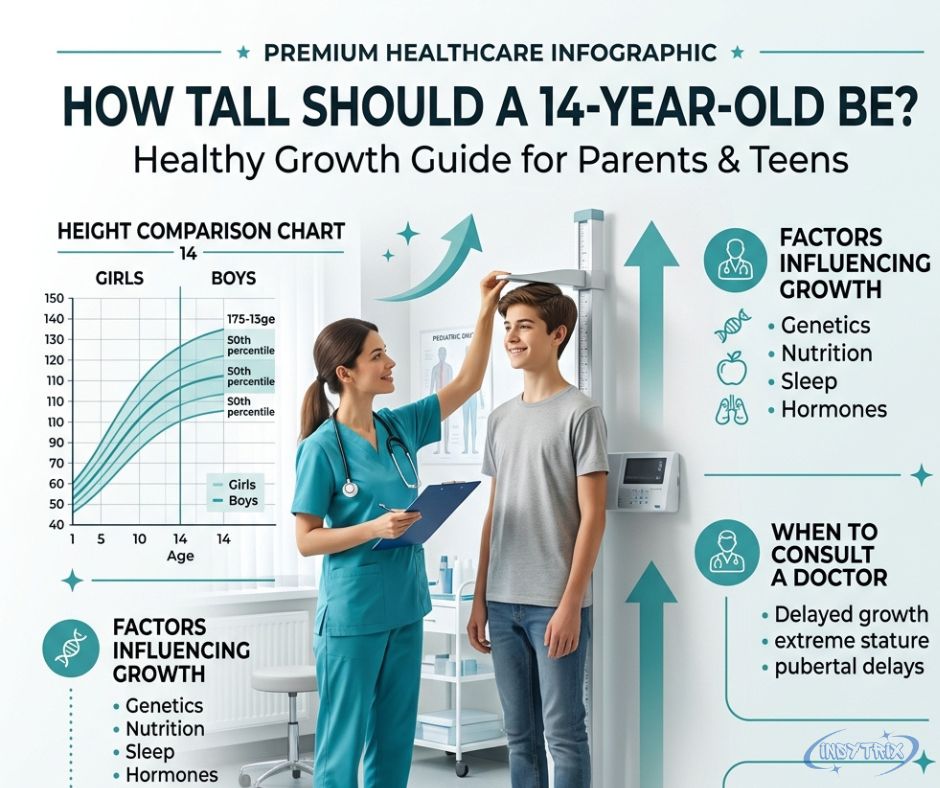
Parents often search for the average height for 14 year old boy and girl figures separately, and for good reason. Boys and girls grow on different clocks during adolescence. According to CDC data, the median height for boys at this age sits close to 5’5″, while girls average slightly shorter, around 5’2″ to 5’4″.
These numbers only tell part of the story though. A height percentile chart shows the full teenage height range, not just the middle point. Some perfectly healthy teens sit well outside the average, and that is completely normal given how puberty timing varies from child to child.
Why Boys And Girls Grow At Different Rates At This Age
Girls typically start puberty earlier than boys, often by age 10 or 11. This means many girls hit their growth spurt in teens before boys even begin theirs. Boys catch up later, usually between ages 12 and 15, which explains why 14-year-old boys can look shorter than female classmates one year and taller the next.
Height Percentile Charts Explained
A height by age chart plots where your child stands compared to thousands of other kids the same age. This tool comes from WHO growth standards and CDC research, both built from decades of population data. Doctors use these charts constantly during checkups.
Reading a CDC height chart is simpler than it looks. The chart uses a 5th to 95th percentile range to define typical height. A percentile of 50 means average. A percentile of 90 means taller than 90 percent of peers. Neither extreme is automatically a problem on its own.
What The 50th, 75th, And 25th Percentile Actually Mean
Think of percentiles as a ranking, not a grade. A boy at the 25th percentile is shorter than 75 percent of his peers, but that does not mean something is wrong. Standard deviation measures how spread out heights are across the population, and wide spreads are expected during teen years.
Why Height Varies So Much At Age 14
Fourteen sits right in the messy middle of puberty stage development, and that messiness explains a lot. Some teens are wrapping up their major growth phase. Others have barely started. This creates one of the widest teenage height range gaps seen at any age.
Genetics plays the biggest role in setting a rough ceiling for adult height. Parents pass down a family height pattern that shapes roughly 60 to 80 percent of a child’s final height. Nutrition, sleep, and overall health fill in the rest of the picture, sometimes speeding things up and sometimes slowing them down.
Puberty Timing Is Different For Every Teen
Some kids are early bloomers. Others are what doctors call late bloomer growth cases, meaning their bodies simply take a slower path toward maturity. Neither pattern is better or worse. It just means the finish line arrives at a different time, and final height often ends up similar either way.
Growth Spurts In Teens: When They Start And How Long They Last
A growth spurt in teens does not happen gradually. It hits in short, intense bursts tied to hormone surges. Growth hormone production ramps up sharply during this window, driving rapid bone lengthening across just a few months rather than spreading evenly across the year.
Peak height velocity for boys typically lands between ages 13 and 14. During this peak, many boys gain four to five inches in a single year. That is a staggering pace compared to the slow, steady one to two inches per year seen in earlier childhood.
The Peak Growth Velocity Window
This phase does not last long, usually six to twelve months of rapid change. Parents often notice shoes and pants becoming useless within weeks. Once this window passes, growth velocity slows down considerably, even though some height gain continues for another year or two afterward.
Factors That Affect A Teen’s Height
Height is not purely genetic luck. Nutrition plays a measurable role in whether a teen reaches their full genetic potential. Protein, calcium, and vitamin D all support bone growth directly, and deficiencies in any of these can slow progress during critical growth windows.
Sleep matters just as much as food. Most growth hormone release happens during deep sleep, which means a teen skimping on rest may genuinely grow slower. Physical activity, chronic illness, and stress levels also shape the final outcome, sometimes in ways parents do not immediately notice.
| Factor | Impact On Growth | Recommended Action |
| Protein intake | Supports muscle and bone building | 45-60g daily for teens |
| Vitamin D | Aids calcium absorption | 600-1000 IU daily |
| Sleep | Triggers growth hormone release | 8-10 hours nightly |
| Physical activity | Stimulates bone density | 60 minutes daily |
| Chronic illness | Can delay or stall growth | Medical evaluation if prolonged |
Diet And Nutrient Intake
A balanced plate matters more than any single superfood. Teens need steady protein, whole grains, dairy or fortified alternatives, and plenty of fruits and vegetables. Skipping meals or relying on processed snacks can quietly slow healthy teenage development over months without anyone noticing right away.
Sleep Quality And Duration
Deep sleep is when the body does its heaviest growth work. Teens need eight to ten hours nightly, according to sleep researchers. Late-night screen use often cuts this short, which may explain why some teens with poor sleep habits grow more slowly than well-rested peers.
How To Accurately Measure And Track Your Teen’s Height At Home
Height measurement at home does not need fancy equipment. A flat wall, a hard floor, and a simple growth chart ruler get the job done. The key is consistency, since sloppy measuring creates false alarms or missed patterns over time.
Measure your teen barefoot, standing straight against the wall, heels touching the baseboard. Use a flat object like a book to mark the top of the head. This simple growth chart tracking method rivals what many clinics use during routine visits.
Setting Up A Proper Measuring Station
Pick a spot with a hard floor and a straight wall, free of thick baseboards. Mark measurements directly on the wall or on a dedicated chart. This creates a lasting visual record that shows patterns clearly across months and years of tracking.
Is My Child’s Height Normal? When Differences Are Not A Concern

Most height differences at 14 are completely normal. A teen tracking steadily along the same percentile since childhood is growing exactly as expected, regardless of whether that line sits high or low on the chart. Consistency matters more than the raw number itself.
Being shorter than classmates right now often just reflects late bloomer growth timing rather than any real problem. As long as other physical development signs continue progressing, like voice changes or emerging body hair, there is usually nothing to worry about here.
Following A Consistent Growth Curve Over Time
A steady curve is the best reassurance available. If your teen has followed the same percentile line for years, whether that is the 20th or the 80th, this pattern reflects normal, healthy child development rather than any underlying issue.
Signs You Should Consult A Doctor About Your Teen’s Growth
While most variation is harmless, some signs deserve a closer look. A pediatrician or endocrinologist should be consulted if growth suddenly stalls, if your teen drops multiple percentile lines, or if puberty signs are absent well past the typical age range.
Delayed puberty, unexplained fatigue, or a family history of growth hormone deficiency are also reasons to seek medical guidance. Early evaluation allows doctors to check bone age and skeletal maturity, which can reveal issues long before height differences become obvious.
Tips To Support Healthy Growth During The Teen Years
Supporting healthy teenage development comes down to a few consistent habits rather than any dramatic intervention. Balanced meals rich in protein, calcium, and vitamin D give the body raw materials it needs during active growth phases throughout adolescence.
Sleep and movement round out the picture. Teens thriving on consistent sleep schedules and regular physical activity tend to show steadier growth velocity over time. Small, boring daily habits usually outperform any shortcut or supplement marketed toward faster height gain.
Tracking Growth Over Time: Creating A Family Growth Record
A single measurement rarely tells you much. Growth chart tracking over months and years reveals the real story, showing whether your teen follows a steady puberty growth pattern or needs closer attention. Long-term records also become genuinely useful during doctor visits.
Beyond the medical value, tracking height creates something families actually treasure. Marks on a wall or chart capture more than numbers. They preserve a timeline of childhood that becomes meaningful long after the teen years have passed.
Why Long-Term Tracking Beats One-Time Measurements
One measurement is a snapshot. A full record spanning years reveals the actual trend line, which matters far more for spotting real concerns. Doctors consistently prefer reviewing a documented pattern over a single number taken during one visit.
Turning Growth Records Into Lasting Keepsakes
Many families use a physical growth chart as both a tracking tool and a sentimental record. These charts document not just inches gained, but a visual history of childhood that stays meaningful for decades after the last measurement is marked.
Frequently Asked Questions
Is 5’4″ short for a 14-year-old boy?
Not necessarily. This height falls within the normal teenage height range, especially for boys who are still early in their puberty growth pattern.
How much taller will my 14-year-old get?
Boys often add several more inches after 14, depending on puberty timeline for boys and family genetics. Girls typically have less remaining growth by this age.
When do boys stop growing?
Most boys reach close to their adult height prediction by 16 to 18, though some continue growing slightly into their early twenties.
What’s the average weight for a 14-year-old?
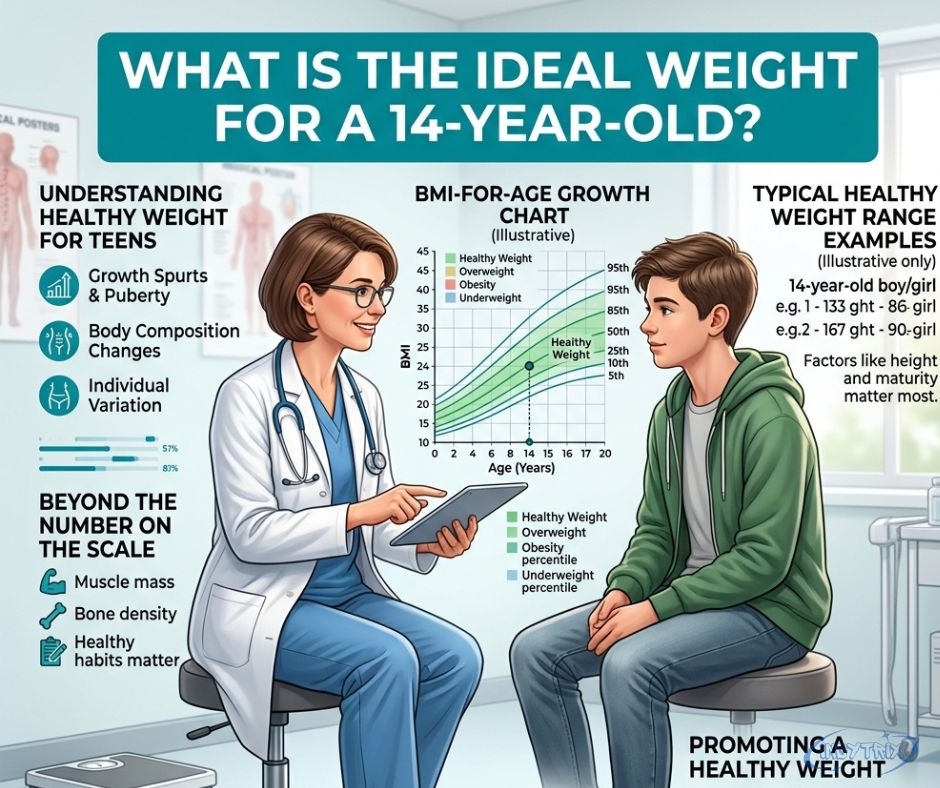
Weight varies alongside height and body type, generally ranging between 100 and 140 pounds, though this depends heavily on individual build and activity level.
Final Thoughts
So, how tall should a 14 year old be? There is no single right answer, only a wide, healthy range shaped by genetics, puberty timing, and everyday habits. What matters most is steady progress along a consistent curve, not matching an exact number on a chart. Keep tracking, stay patient, and let your teen’s own timeline unfold naturally.

Welcome to Insytrix I’ m Habib Saleem, an AI-Powered SEO, and content writer with 3 years of experience.I help websites rank higher, grow traffic, and look amazing. My goal is to make SEO and web design simple and effective for everyone. Let’s achieve more together!














Post Comment