
Eurogamersonline From Consoles to Casinos: 2026 Guide to Digital Play
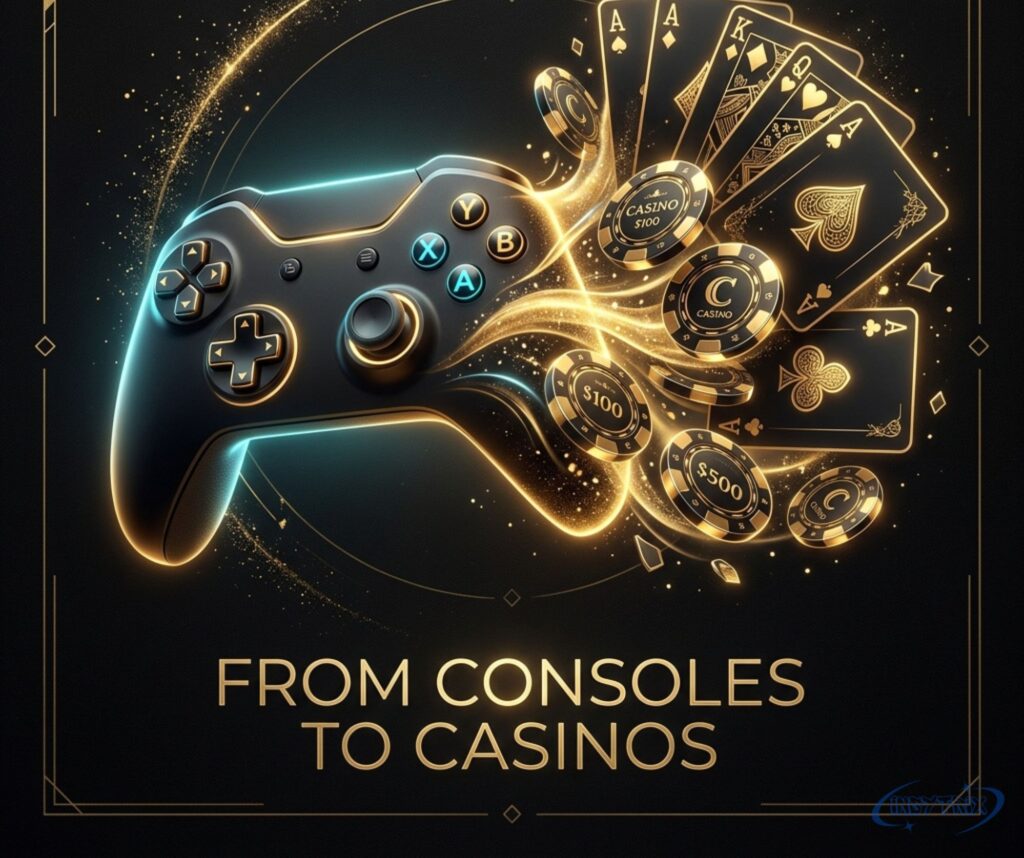
Something big is happening in the world of play. The story of eurogamersonline from consoles to casinos is not just a headline, it is a real shift in how millions of people spend their time and money in 2026. Video games and gambling used to sit in separate rooms, each with its own rules and its own audience. Now, they share the same screen, the same wallet, and often the same player.
A simple match on your PlayStation or Xbox can now feel like a trip to a social casino, thanks to gamification built quietly into everyday play. This guide explains why that happened, what it means for you, and how to keep digital play enjoyable, fair, and safe as the industry keeps changing.
The Convergence of Gaming and Gambling in 2026
Something big is happening in the world of play. The story of eurogamersonline from consoles to casinos is not just a headline. It is a real shift in how millions of people spend their time and money. Video games and gambling used to sit in separate rooms. Now, they share the same screen.
American gamers are noticing the change too. A simple match on your PlayStation or Xbox can now feel like a trip to a social casino. This guide walks you through why that happened, what it means for you, and how to stay safe as digital play keeps evolving in 2026.
The Historic Shift in Digital Play
Gaming used to be simple. You bought a cartridge or a disc. You played it. That was the whole deal. But the rise of the internet changed everything about the console gaming industry. Free-to-play models needed new ways to earn money, and that opened the door to spending systems borrowed straight from betting halls.
This is the heart of console-to-casino convergence. Developers noticed that reward loops used in slot machines kept players engaged for hours. So they built similar loops into their games. The result is a blended experience. You are still holding a controller, but the mechanics underneath now look a lot like online casinos. This is exactly why the phrase eurogamersonline from consoles to casinos captures the mood of 2026 so well.
Understanding Loot Boxes: Mechanics and Psychology

Loot boxes are digital containers. You open them and get a random item inside. It could be a rare weapon skin or a common, useless trinket. The excitement comes from not knowing what you will get. That uncertainty is the whole point.
This is where variable ratio reinforcement comes in. It is a psychology term for rewards that arrive at random times. Slot machines use the exact same trick. Behind every loot box sits an input-reveal-outcome loop. You pay, you wait, you watch the reveal animation, and your brain reacts with a dopamine response. Over time, this loop feeds a “just one more level” feeling that keeps players clicking, spending, and hoping for a legendary item or rare drop.
| Loot Box Element | Casino Equivalent |
| Opening animation | Slot reel spin |
| Random item reveal | Random payout |
| Rare item chase | Jackpot chase |
| In-game currency | Casino chips |
The Loot Box Controversy: Gambling in Disguise?
Not everyone is comfortable with this trend. Critics ask a simple question: “Are loot boxes considered gambling?” Many researchers say yes, at least in spirit. The psychological triggers in gambling and the triggers used in loot boxes overlap in almost every way.
Some countries have already taken action. Belgium banned certain loot box systems outright. Other regions require age verification before players can buy them. In the United States, lawmakers keep asking, “What is the difference between microtransactions and gambling?” So far, there is no single clear answer. This grey area is exactly why the debate around gamified gambling refuses to go away.
The Cycle of Loss: How Reward Systems Keep Players Hooked
Losing money rarely feels random to the player caught in it. Instead, it follows a pattern. First comes an early win, which builds false confidence. Then comes the greed phase, where a player deposits more, chasing a bigger reward through digital wagering. This is the recovery cycle, and it is dangerously effective.
Once the wins slow down, many players try to win back their losses instead of walking away. This chase can quietly turn into problem gambling, especially inside games built around reward loops and VIP tier systems. A leading behavioral researcher once noted that “reward systems designed for retention rarely care whether the player can afford to keep playing.” That single line explains why the cycle feels so hard to escape once it begins.
Impact on Minors and Vulnerable Players
Kids and teens grow up surrounded by screens. These digital natives rarely question in-game spending because it feels like a normal part of play. That familiarity is exactly what worries parents and regulators the most.
Millennials tend to approach spending with some caution, often checking odds or reading reviews first. Gen Z, on the other hand, chases whale status and social standing inside gaming communities. For this younger group, spending real money to unlock digital trophies or flashy gear feels less like gambling and more like self-expression, even when the underlying mechanic is identical to a bet.
Safety, Responsibility, and Player Protection Measures
The good news is that protection tools exist, and they keep improving. Modern platforms now build responsible gambling tools directly into their apps. You can set deposit and stake limits before you start playing, which stops overspending before it starts.
Reality checks are another simple but powerful feature. These are pop-up reminders that show how long you have played and how much you have spent. If things ever feel out of control, a self-exclusion register lets you lock yourself out of every licensed platform at once. Combined with regular financial vulnerability checks, these tools give players real power over their own habits.
The Regulatory Landscape in 2026
Governments are finally catching up to the pace of the industry. In the United Kingdom, the UK Gambling Commission has tightened rules around deposit transparency. The GamStop system remains one of the strongest self-exclusion models in the world. Meanwhile, the European Gaming and Betting Association (EGBA) is pushing for a unified Gambling Harm Standard across the continent.
| Region | Key Regulatory Action |
| United Kingdom | GamStop, deposit transparency rules |
| European Union | EGBA-led Gambling Harm Standard |
| United States | State-by-state loot box scrutiny |
| Belgium | Loot box restrictions and bans |
The United States still handles this issue state by state, which creates confusion for players and developers alike. Questions like “Which countries have banned loot boxes?” and “How to gamble responsibly online in 2026?” are being searched more than ever, showing just how much public interest has grown around gambling regulation 2026.
Industry Response: How Developers Are Adapting

Game studios are not standing still either. Many have started using AI-driven monitoring to flag risky spending patterns before they spiral out of control. Odds disclosure is becoming standard, so players know their real chances before opening a loot box.
Some studios are moving away from skin gambling models entirely, replacing random loot boxes with direct, fixed-price purchases. Others are blending real-money gaming features with sports betting apps, creating fully casinified games that mix competition with wagering. This shift shows that the industry understands the pressure, even if change is happening slowly and unevenly across the console gaming industry.
Conclusion: Navigating the Next Frontier Responsibly
The journey of eurogamersonline from consoles to casinos is far from finished. Gaming and gambling have merged in ways nobody expected a decade ago, blending loyalty points, in-game purchases, and real financial risk into a single experience.
The question “Is gaming turning into gambling?” no longer has a simple no. But awareness is growing, tools are improving, and regulation is slowly catching up. As you explore digital play in 2026, keep your limits set, know the warning signs of gambling addiction, and remember that the best gaming experience is always the one you can walk away from.
FAQs
Q: Is the shift of eurogamersonline from consoles to casinos permanent?
A: Yes. The integration of gamification into gambling and the use of loot boxes in consoles are part of a long-term convergence in digital entertainment that is expected to grow through 2026 and beyond.
Q: Are loot boxes considered gambling in 2026?
A: This varies by region. While many European countries classify them as gambling-like due to their psychological impact, others allow them under strict self-regulation and age-gating requirements.
Q: How can I tell if a betting game is a scam?
A: Look for the “Recovery Cycle” trap. If a platform promises “shortcuts to wealth,” gives you 2–3 easy wins to encourage a big deposit, and then triggers a losing streak, it is likely a predatory or fraudulent platform.
Q: What is the best way to stay safe?
A: Use only licensed platforms that offer responsible gambling tools like deposit limits and session reminders. Never borrow money to gamble or try to “recover” losses with more bets.

Welcome to Insytrix I’ m Habib Saleem, an AI-Powered SEO, and content writer with 3 years of experience.I help websites rank higher, grow traffic, and look amazing. My goal is to make SEO and web design simple and effective for everyone. Let’s achieve more together!














Post Comment