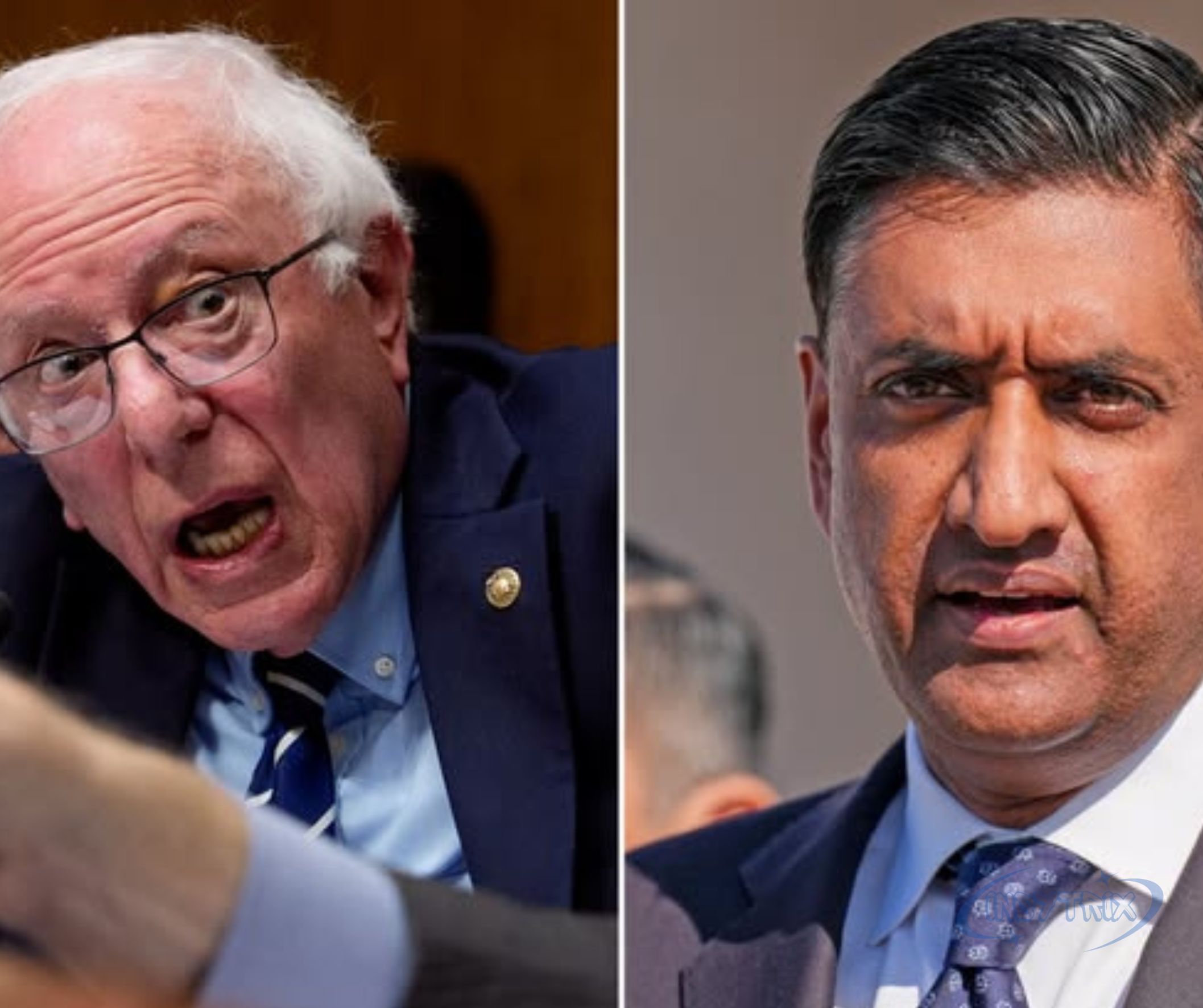
Sanders and Khanna Propose 5% Annual Wealth Tax on Billionaires
Senator Bernie Sanders and Representative Ro Khanna have introduced new legislation that would impose a 5% yearly tax on the wealth of America’s billionaires. The proposal, titled the “Make Billionaires Pay Their Fair Share Act,” would apply to individuals with a net worth of $1 billion or more.
Supporters estimate the tax could generate around $4.4 trillion over the next decade. The funds would be directed toward major public programs, including childcare support, housing development, and direct payments of $3,000 to many Americans. However, significant political opposition and constitutional concerns could block the measure.
Rapid Growth of Billionaire Wealth

According to an analysis by economists Emmanuel Saez and Gabriel Zucman from the University of California, Berkeley, U.S. billionaires held roughly $8.2 trillion in combined wealth as of early 2026, based on Forbes data.
The report highlights a sharp rise in billionaire wealth—up 132% over the past six years. Growth has been especially strong recently, increasing by 20% in 2023, 28% in 2024, and 22% in 2025. If the proposed tax had been in place long-term, the economists suggest it could cut the average billionaire’s fortune in half over 15 years.
How the Revenue Would Be Used
In its first year, the plan would provide $3,000 payments to individuals in households earning $150,000 or less. Remaining funds would be used to address key economic challenges, including:
- Restoring cuts to Medicaid and the Affordable Care Act
- Expanding Medicare to include dental, vision, and hearing benefits
- Supporting the construction and preservation of over seven million affordable homes
Childcare and Education Investments
The proposal also aims to reduce childcare costs, ensuring families spend no more than 7% of their income. Currently, U.S. families spend between 8.9% and 16% of their income on childcare, according to government data.
Additionally, the plan would:
- Establish a $60,000 minimum salary for public school teachers
- Expand home healthcare services for seniors and people with disabilities
Revenue Projections and Enforcement
Even accounting for an estimated 10% rate of tax avoidance, the wealth tax could raise about $368.5 billion per year—roughly 1.2% of GDP.
Because the tax would target fewer than 1,000 individuals, enforcement would be more focused. Proponents argue that avoiding the tax would be difficult, as U.S. citizens are taxed on global income. Renouncing citizenship remains one of the few ways to escape the tax, though it would trigger a substantial exit tax.
Impact on the Wealthiest Americans
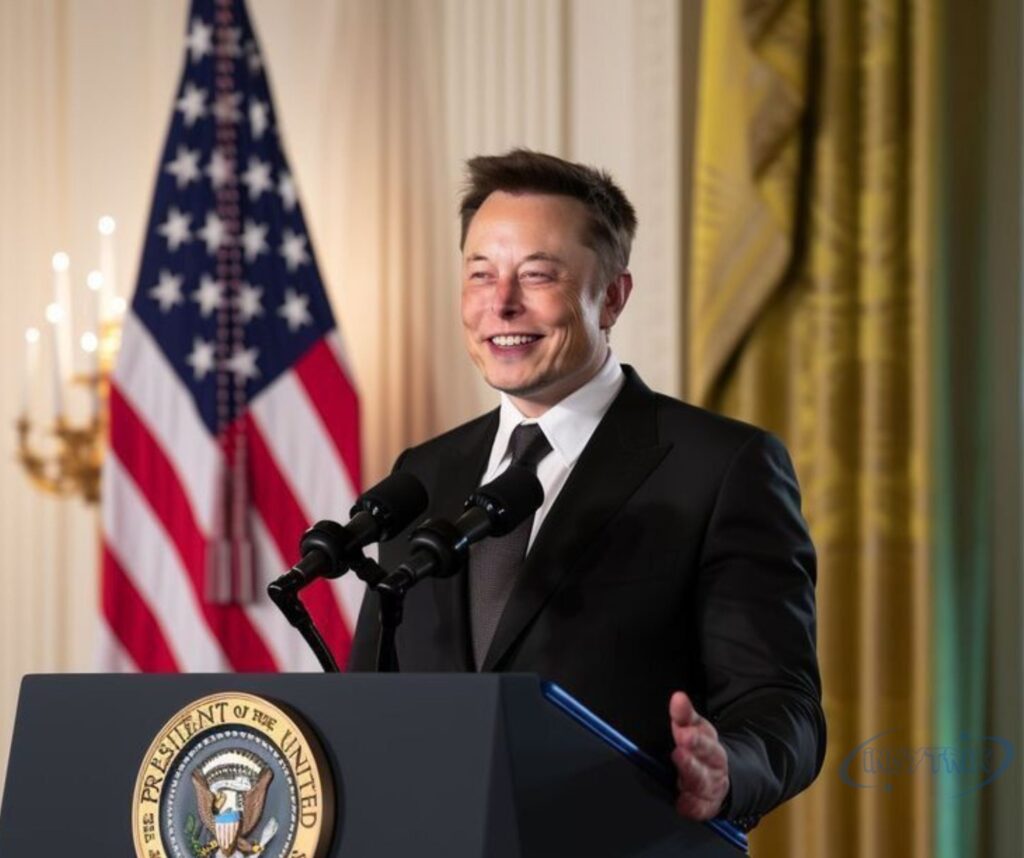
The proposal would significantly affect top billionaires like Elon Musk, Jeff Bezos, and Mark Zuckerberg.
For example:
- A 5% one-time tax on Musk’s wealth would amount to tens of billions of dollars
- Bezos and Zuckerberg would each owe more than $10 billion annually
Economists also estimate that if the tax had existed for years, the total wealth of the top 10 billionaires would be dramatically lower than it is today.
Political and Legal Challenges
Despite its potential revenue, the proposal faces major obstacles. Republicans, who currently control Congress, are largely opposed to significant tax increases. Some moderate Democrats have also expressed hesitation.
Legal questions add another layer of uncertainty. The U.S. Constitution restricts direct taxes unless they are distributed among states based on population. A federal wealth tax has never been fully tested in court, leaving its legality unclear—even after the Moore v. United States decision avoided ruling broadly on wealth taxation.
State-Level Wealth Tax Efforts

While federal action remains uncertain, states are exploring similar ideas.
In California, a proposed “2026 Billionaire Tax Act” would impose a one-time 5% tax on billionaire wealth, potentially raising $100 billion. The measure would need hundreds of thousands of signatures to appear on the ballot, and Governor Gavin Newsom has voiced opposition.
Meanwhile, in New York City, Mayor Zohran Mamdani has proposed a 2% surtax on income over $1 million. The plan aims to fund free childcare, public transportation, and affordable housing, though it would require approval from state leadership, including Governor Kathy Hochul.
Outlook

Although wealth taxes are gaining attention at both federal and state levels, passing such measures remains difficult. Political resistance, legal uncertainty, and concerns about taxpayer behavior continue to shape the debate over how to address rising wealth inequality in the United States.

Welcome to Insytrix I’ m Habib Saleem, an AI-Powered SEO, and content writer with 3 years of experience.I help websites rank higher, grow traffic, and look amazing. My goal is to make SEO and web design simple and effective for everyone. Let’s achieve more together!














Post Comment